
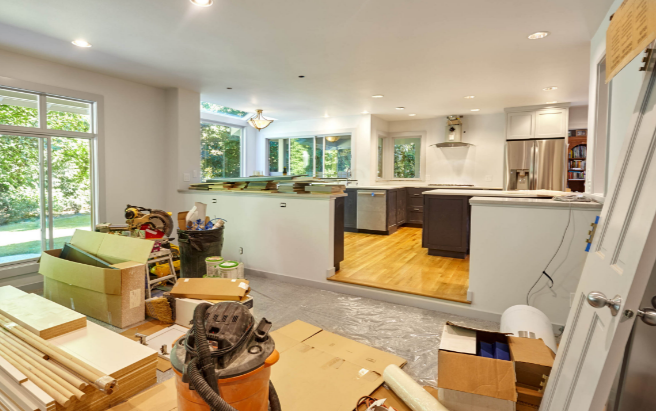
Every home has something its owners would love to change. Maybe the kitchen feels crowded when everyone gathers. Perhaps the bathroom lacks storage, or an awkward layout makes everyday tasks harder than they should be.
A successful remodeling project starts with understanding those frustrations. Before choosing countertops, flooring, or paint colors, take time to think about how you want your home to function—and what would make living there more enjoyable.
Start With What Is Not Working
It is easy to collect beautiful inspiration photos without identifying the problem you want to solve.
Walk through the space and make a list of specific frustrations. Instead of writing “update the kitchen,” consider what that means for your household:
- There is not enough counter space to prepare meals.
- Cabinets make frequently used items difficult to reach.
- Guests gather in the main cooking area.
- Lighting leaves important work areas in shadow.
- The room feels disconnected from the rest of the home.
These observations give your remodeling contractor a clearer starting point. They also help you evaluate design ideas based on how well they address your needs.
Separate Must-Haves From Nice-to-Haves
Most remodeling wish lists grow quickly. Creating priorities early helps keep decisions focused.
Your must-haves might include replacing worn materials, improving storage, or making a room easier to navigate. Nice-to-haves could include decorative upgrades, specialty fixtures, or additional custom features.
Both categories matter, but knowing the difference makes it easier to decide where to invest when choices involve tradeoffs.
Ask yourself: If we could accomplish only three things with this renovation, what would make the biggest difference?
Think About the Whole Room
A beautiful individual feature does not automatically create a cohesive space.
When reviewing a design, consider how the layout, lighting, storage, finishes, and nearby rooms work together. A new kitchen island, for example, should fit the way people move through the room. Bathroom storage should be convenient to the people using it.
Think through an ordinary day in the finished space. Where will you set down groceries? Where will towels go? Can more than one person comfortably use the room?
Those everyday details deserve as much attention as the finishes.
Establish a Budget Before Finalizing Selections
An early budget conversation helps your contractor understand your expectations and present appropriate options.
Ask what the proposed scope includes, what remains an allowance or estimate, and how changes will be documented. Discuss how unexpected conditions would be handled and whether your budget should include a contingency.
A useful proposal should help you understand what you are purchasing. Review materials, labor, responsibilities, and exclusions before moving forward.
Clear expectations make later decisions easier.
Plan for Life During Construction
Remodeling affects more than the room being renovated. Consider how your household will function while work is underway.
Before construction begins, discuss:
- Which areas will be accessible.
- How work areas will be separated from living spaces.
- Where materials and tools will be stored.
- What arrangements are needed for children and pets.
- Whether you will need temporary cooking or bathing arrangements.
- Who will provide updates and answer questions.
Understanding the process helps you prepare your household and coordinate around work, school, and other commitments.
Choose Communication Along With Craftsmanship
The working relationship matters throughout a renovation.
Look for a contractor who listens carefully, explains the proposed work, and provides clear answers. Ask how scheduling updates, product selections, and change requests will be communicated.
When reviewing past projects, discuss the homeowner’s original goals as well as the finished appearance. That conversation can reveal how the contractor approaches challenges and translates ideas into practical solutions.
Build Around the Way You Live
Trends can provide inspiration, but your household should guide the final decisions.
The best remodeling plan reflects your routines, priorities, and preferences. Whether you are updating one bathroom or reimagining several rooms, start with a clear purpose and build the details around it.
Ready to explore what is possible for your home? Contact our team to discuss your ideas, priorities, and next steps toward a space that works better for you.